
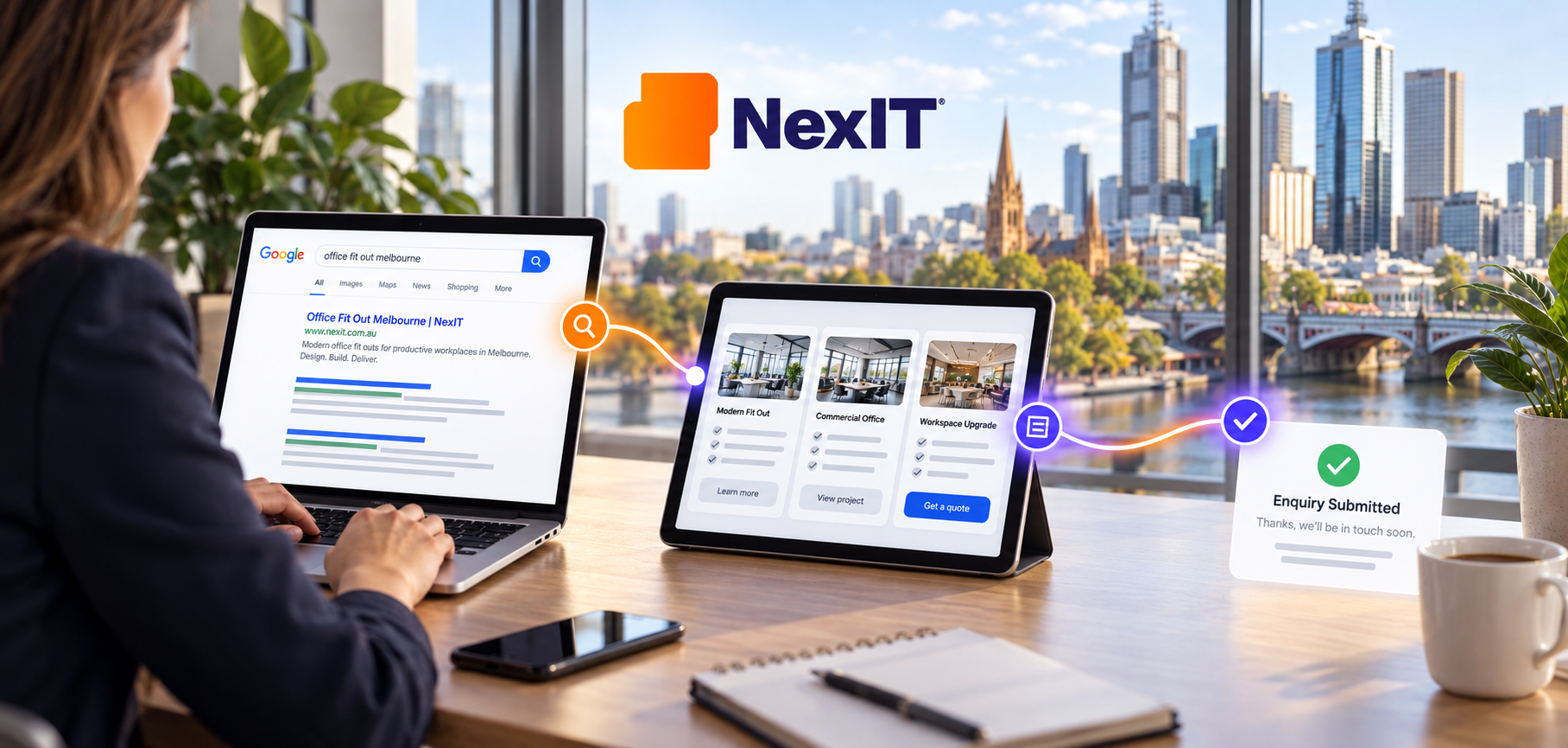
A customer rarely searches once, visits a website, and buys immediately.
They may start by looking up a problem, compare several solutions, check reviews, and return days later when they are ready to contact a business. SEO helps your website appear with useful information at each of those moments.
For Melbourne businesses, that means creating pages that answer early questions, help customers compare options, and make the next step clear when they are ready to act.
We Start With the Customer Journey
Before choosing keywords, look at what customers need to know before they make a decision.
Someone searching for “why is my website not getting enquiries?” needs a different page from someone searching for “SEO agency Melbourne pricing.”
The first person is trying to understand a problem. The second may be comparing providers. Treating both searches as an opportunity to show the same sales page can leave important questions unanswered.
A useful SEO plan maps content to the questions customers ask as they move from discovery to purchase.
Stage 1: Help Customers Understand Their Problem
At the awareness stage, customers may know something is wrong without knowing what service they need.
They might search:
- Why is my business not showing on Google?
- How can I get more local customer enquiries?
- Why are visitors leaving my website?
Helpful blog posts and guides can explain the issue in plain language. A Melbourne business that answers these questions has an opportunity to be discovered before the customer starts comparing providers.
The goal here is to be useful. Explain the problem, show what might cause it, and give the reader a sensible next step.
Stage 2: Show Customers Their Options
Once customers understand the problem, they begin researching solutions.
They may compare local SEO with paid advertising, look into website improvements, or ask how much a service typically costs. This is where comparison articles, practical guides, and clear service explanations become valuable.
For example, a business could publish content on:
- Local SEO versus traditional SEO
- What a website audit includes
- How Google Business Profile optimisation helps local businesses
- Factors that affect SEO costs in Melbourne
These pages help customers decide which approach fits their situation. They also create natural paths to the relevant service page.
Stage 3: Build Confidence While Customers Compare Providers
When a customer is closer to making a decision, they want evidence that a business understands their needs.
A service page should explain what is offered, who it is for, what the process involves, and how to get started. Case studies, genuine reviews, examples of completed work, and frequently asked questions can help answer the concerns that remain.
Local details matter too. If a business serves Melbourne, Moorabbin, and surrounding areas, its website should make its service area clear wherever it is relevant.
Getting Visitors but Not Enough Enquiries?
Traffic is only part of the journey. A visitor may find your page and still leave if the service is unclear, the page is difficult to use on mobile, or they cannot see how to contact you.
NexIT Solutions can review your search visibility, website content, and enquiry paths to identify where potential customers may be dropping off.
👉 Book a Website Consultation
📞 Call 1300 899 259
Stage 4: Make It Easy to Take Action
A customer who is ready to buy should not have to search through several pages for a phone number or enquiry form.
Your service pages should make the next step obvious. Depending on the business, that might be requesting a quote, booking a consultation, calling the team, or purchasing online.
Keep the information customers need close to that action:
- Services and locations covered
- What happens after they enquire
- Relevant pricing information, where available
- Contact details
- Answers to common last-minute questions
SEO can bring a potential customer to the page. Clear page design and useful content help them decide what to do next.
Stage 5: Keep Helping After the First Enquiry
The customer journey does not always end with a form submission or first purchase.
Existing customers may search for setup instructions, service details, maintenance advice, or answers to new questions. Helpful resources can make it easier for them to use what they have purchased and find other services they need.
For a service business, this might include onboarding guides, support pages, and articles that answer common follow-up questions.
How Do You Connect These Stages on Your Website?
Each page should have a clear purpose and a sensible next step.
An article about a common problem can link to a guide explaining possible solutions. That guide can lead to a relevant service page. The service page can then offer a consultation or quote.
This structure helps visitors move through the website at their own pace. It also makes related content easier for search engines to discover and understand.
You can measure whether it works by reviewing which pages attract visitors, where people continue browsing, and which pages lead to enquiries. Use those findings to improve content that attracts traffic but does not yet answer enough customer questions.
Ready to Support the Full Customer Journey?
Good SEO gives customers the right information when they need it: an explanation when they are learning, useful comparisons when they are researching, and a clear way forward when they are ready to act.
NexIT Solutions helps businesses across Melbourne build SEO strategies around real customer questions and meaningful enquiries.
Book a Website Consultation →
Or call 1300 899 259 to discuss where your website could better support your customers.