
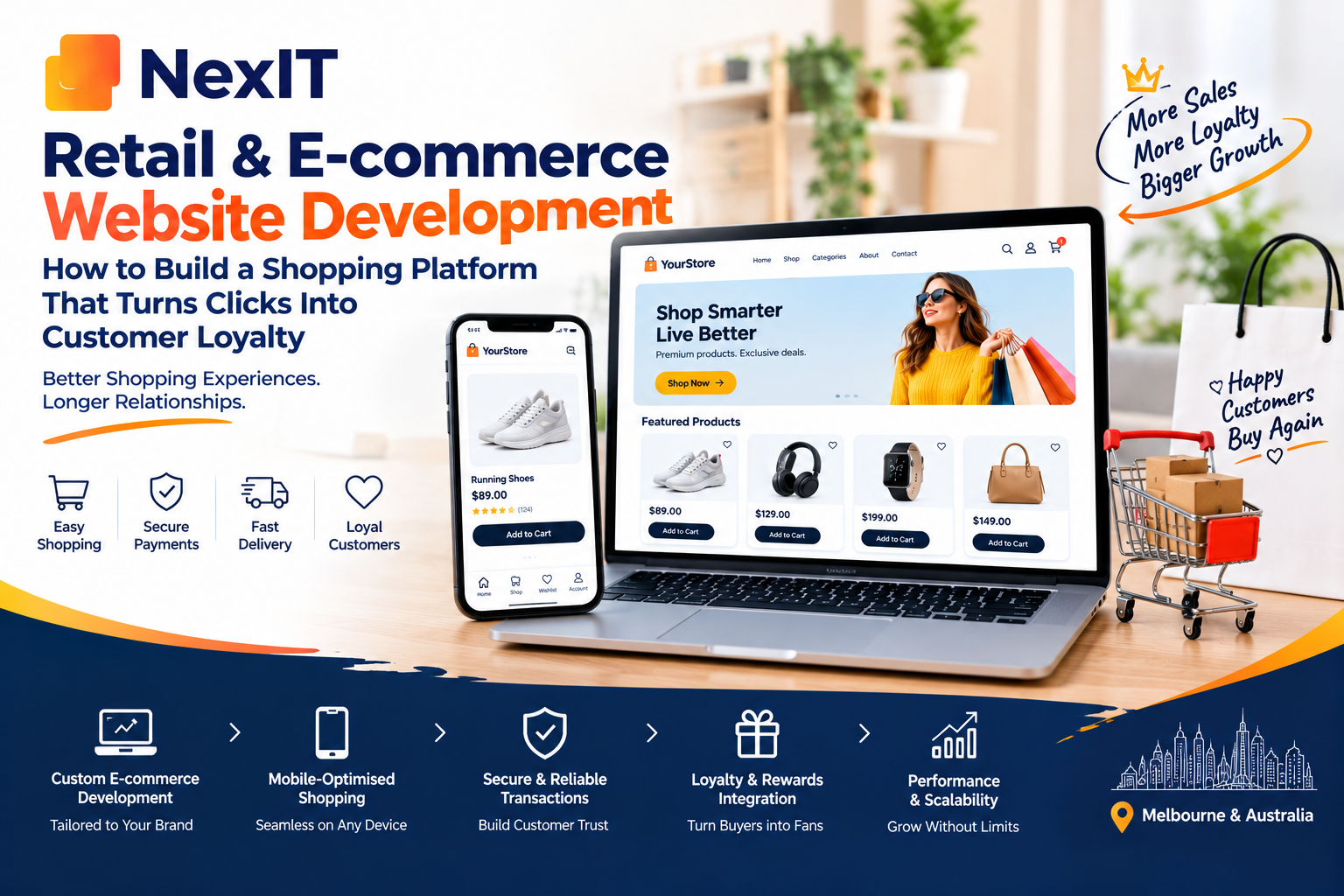
retail & e-commerce website development projects can completely transform a brand’s sales pipeline and still fail to generate consistent revenue if the online customer journey is broken.
We’ve seen it plenty of times. A retail brand commissions a custom storefront, the product categories are fully built out, the checkout pipeline technically functions — but the shoppers disappear mid-journey. Local and international buyers arrive on the store, add items to their carts, encounter confusion, and instantly drop out.
That’s usually not a server capability or code processing problem. It’s a clarity and conversion problem within the checkout funnel.
A practical digital strategy shouldn’t simply look to create a newer-looking website interface for the sake of it. The real goal is to make it easier for the right digital consumers to find your catalog, trust your security infrastructure, and take the final checkout step without encountering friction.
We Start With the Shopper Journey
Before mapping complex software architecture or changing backend database structures, you must look at your digital shopping engine entirely from a modern consumer’s perspective.
If someone lands on your store for the first time, they should be able to answer three questions quickly:
What specific product catalog categories are available right now?
Are there clear delivery windows, shipping fees, and return policies?
How do I complete a secure payment transaction instantly?
Standard, overly complicated legacy storefront setups make those answers much harder to find than they ever needed to be.
Important shipping details get spread across completely different tabs, inventory rules aren’t specific to real-time stock levels, and the actual purchase confirmation step isn’t obvious on a smartphone.
Rather than building complex technical code just because you can, rebuild your entire digital shopping experience around those exact consumer questions.
The First Change: Make the Product Value Clear
One of the easiest mistakes to make with a retail business website is trying to sound impressive and abstract instead of being immediately useful.
Vague marketing phrases like:
“Providing synergized lifestyle paradigms for your next organic horizon journey.”
sound fine on a creative mood board, but they do not tell an actual customer what material a product is made of, its exact sizing dimensions, or if it fits their specific requirement.
Change the layout approach.
The opening hero section needs to tell retail visitors exactly what your store sells, who it caters to, and what action they can take next.
That means clearer product breakdowns, a stronger value headline hierarchy, and highly visible calls to action.
No guessing for the shopper.
No scrolling through half the homepage layout just to work out if an item variant is available or sold out.
Is Your Storefront Getting Traffic But Not Enough Direct Sales?
This is one of the very first things we audit when analyzing commerce infrastructure platforms.
You may not need to pay for an expensive, bloated global enterprise platform overhaul. Sometimes a few targeted custom software adjustments to your shopping menu navigation, checkout forms, mobile interfaces, or automated inventory feeds can make an immediate, noticeable difference in your monthly revenue data.
A proper digital review can identify exactly where potential buyers are dropping out of your tracking journey.
Want to know what is holding your sales volume and technical software performance back?
👉 Book a Website Consultation
📞 Call 1300 899 259
Make the Store Navigation Easier to Process
A busy professional purchasing online or a casual consumer shouldn’t need to complete a computer science course just to figure out how to modify a cart item count or apply a discount coupon.
Simplify your system menu navigation panels and organize store information around the exact way human beings actually think when shopping under time pressure.
Instead of asking backend developers:
“Where can we hide this extra text block field?”
ask your corporate strategy team:
“At what exact step of checkout will a user require this return policy detail?”
That minor perspective shift completely changes your structural menu layout down to your individual product variant landing pages.
The Product Pages Need to Do More
A custom collection landing page or e-commerce dashboard section shouldn’t just state static pricing logs.
It should actively help your site visitors decide whether your product is the absolute best match for their specific lifestyle goals.
Structure your landing layout around questions consumers naturally have when shopping online:
What specific materials or specifications does this retail item feature?
Which type of environment or usage scale is this solution suitable for?
What clear shopping bottleneck or purchase anxiety does it solve?
How does the automated payment and digital confirmation process work?
What happens immediately after an online checkout enquiry is submitted?
Why should our shoppers choose this customized technology over third-party marketplace sites?
Answering these real human workflow problems also creates a much stronger foundation for your company’s overall technical SEO because you are building helpful content that matches real search intent rather than simply filling a page with keywords.
We Build Systems With Performance in Mind — Not Just for Search Engine Crawlers
An enterprise platform needs to be highly discoverable online if you operate a digital agency, but ranking first on Google isn’t worth much if the consumer who clicks through encounters a slow-loading template that fails to load on their mobile device.
Effective technical development combines robust custom programming with a frontend layout that supports clean organic visibility and an exceptional user experience.
We consider multiple structural factors:
- Page structure and asset data hierarchy
- Mobile responsiveness for seamless shopping on the move
- Instant page loading speed and technical performance optimization
- Clean code layout and data indexability for search bots
- Genuine customer reviews and verified trust validations
- Clear call-to-action paths
The critical part is that these technical elements work together seamlessly.
We do not put a keyword into a heading ten times just because it’s a keyword.
The website page needs to make complete, logical sense to the human reading it first.
Ready to Build a Digital Platform That Works Harder?
If your current digital portal captures search traffic but doesn’t generate the steady stream of direct product purchases or customer enquiries you expect, a precise user-experience block is always at play.
NexIT Solutions helps retail operators and e-commerce enterprises across Melbourne and Moorabbin plan, design, and develop customized tools around real consumer behavior and concrete business goals.
Whether you need a complete legacy platform rebuild or just want to understand what’s stopping your current website from performing better, let’s have a conversation.
Book a Website Consultation →
Or call 1300 899 259 and tell us what you’d like your website or system architecture to do better.
retail & e-commerce website development