
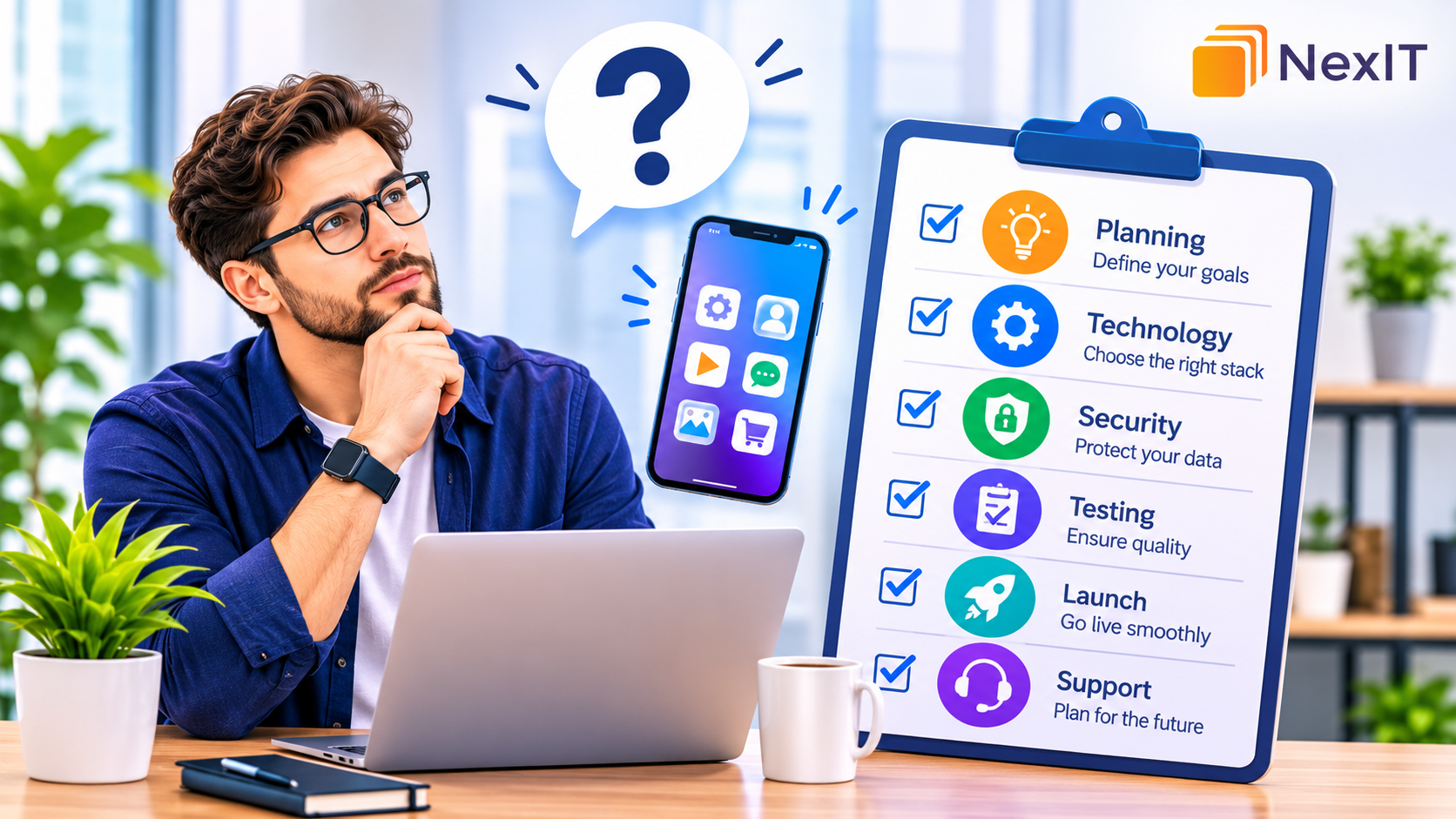
Choosing an app developer involves more than comparing prices or browsing portfolios. You are trusting someone to turn a business need into a useful product while managing scope, data, deadlines and ongoing support.
The questions you ask reveal how a developer plans, communicates and handles challenges.
Start with the problem, not the features
Before discussing screens or technology, explain what the app should help people do: simplify bookings, support staff, process orders or share information. A developer should understand the problem before recommending features.
For a business serving customers around Mulgrave and Melbourne’s south-east, mobile app development Mulgrave should start with the users, the task they need to complete and what success would look like. Ask how the developer will validate those needs and prioritise the first release.
Useful questions include:
- Who are the main users?
- What problem will the app solve?
- How will we measure success?
- Could a website or existing tool meet the need instead?
Ask how the project will be planned
Ask how the developer will set responsibilities, deliverables and approvals before design and coding begin.
| Ask the developer | Look for a clear explanation of |
|---|---|
| How will you define scope? | Requirements, priorities and exclusions |
| What is in the first release? | Essential features versus later additions |
| What are the milestones? | Discovery, design, development, testing and release |
| How are changes handled? | Approval, cost and schedule impacts |
| What do you need from us? | Content, access and timely decisions |
Request a written proposal. Clarify what “included” means and how each deliverable will be approved.
Understand the technology and platform choices
Ask whether the app will support iOS, Android or both, and why that suits your audience. Discuss native versus cross-platform development, required integrations and whether the technology can be maintained over time.
A mobile app development company Mulgrave should explain technical choices in plain language, including trade-offs. You do not need to choose the framework, but you should understand why it is recommended.
Ask:
- Which devices and operating-system versions will you support?
- Does the app need to connect with our CRM, payment provider or other systems?
- Who will own the source code and project assets?
- Are there technical risks or third-party costs to plan for?
Discuss security, privacy and ownership
Apps may handle personal details, payments or business records. Ask what is collected, where it is stored, who can access it and how it is protected.
Before signing, clarify:
- How accounts, permissions and administrator access will work.
- How data will be backed up and restored.
- What security checks will happen before launch.
- Who is responsible for privacy requirements and third-party services.
- Whether you receive source code, documentation and account access.
Put these responsibilities in the agreement rather than relying on verbal assurances.
Find out how testing and approval work
Ask how the developer will test user journeys, devices, accessibility, performance, integrations and errors throughout development.
Agree on who reviews each release, how issues are recorded and who gives final approval. For mobile app development Mulgrave, involve representative customers or staff so feedback reflects real working conditions.
Plan for launch and ongoing support
Ask who handles store submissions, monitors issues and manages updates after release.
Clarify the support arrangement:
- Is post-launch defect fixing included, and for how long?
- What support hours and response times apply?
- Are hosting and third-party licences charged separately?
- How are maintenance and new features priced?
- What happens if you change developers?
When assessing a mobile app development company Mulgrave, look for a handover plan covering app access, accounts, documentation and ongoing responsibilities—not just a launch date.
Compare developers on more than price
A low quote may exclude testing, integrations or maintenance. Compare proposals against the same requirements and total support costs.
Use this checklist:
- Do they understand the business problem and users?
- Are scope, exclusions and assumptions clear?
- Are milestones, responsibilities and payments defined?
- Have they explained testing, security and ownership?
- Is ongoing support described, including its cost?
- Can they show relevant work and explain their role?
Ask for relevant examples. Check what the developer delivered and how they handled challenges and support.
Conclusion
The right questions help you judge whether a developer understands your needs, plans transparently and can support the app after launch. Compare proposals carefully, confirm responsibilities in writing and give the first release a clear purpose.
NexIT Solutions can help you assess your app requirements, choose a suitable development approach and understand the steps involved before committing to a build.
Talk to a NexIT Expert
New Enquiries: 1300 899 259 | Support Team: [email protected]
REQUEST A FREE CONSULTATION