
A website should do more than tell people your business exists. It should help potential customers understand what you offer, feel confident choosing you and take the next step. If your website is outdated, difficult to use or unclear about your services, it could be costing you enquiries without you realising it.
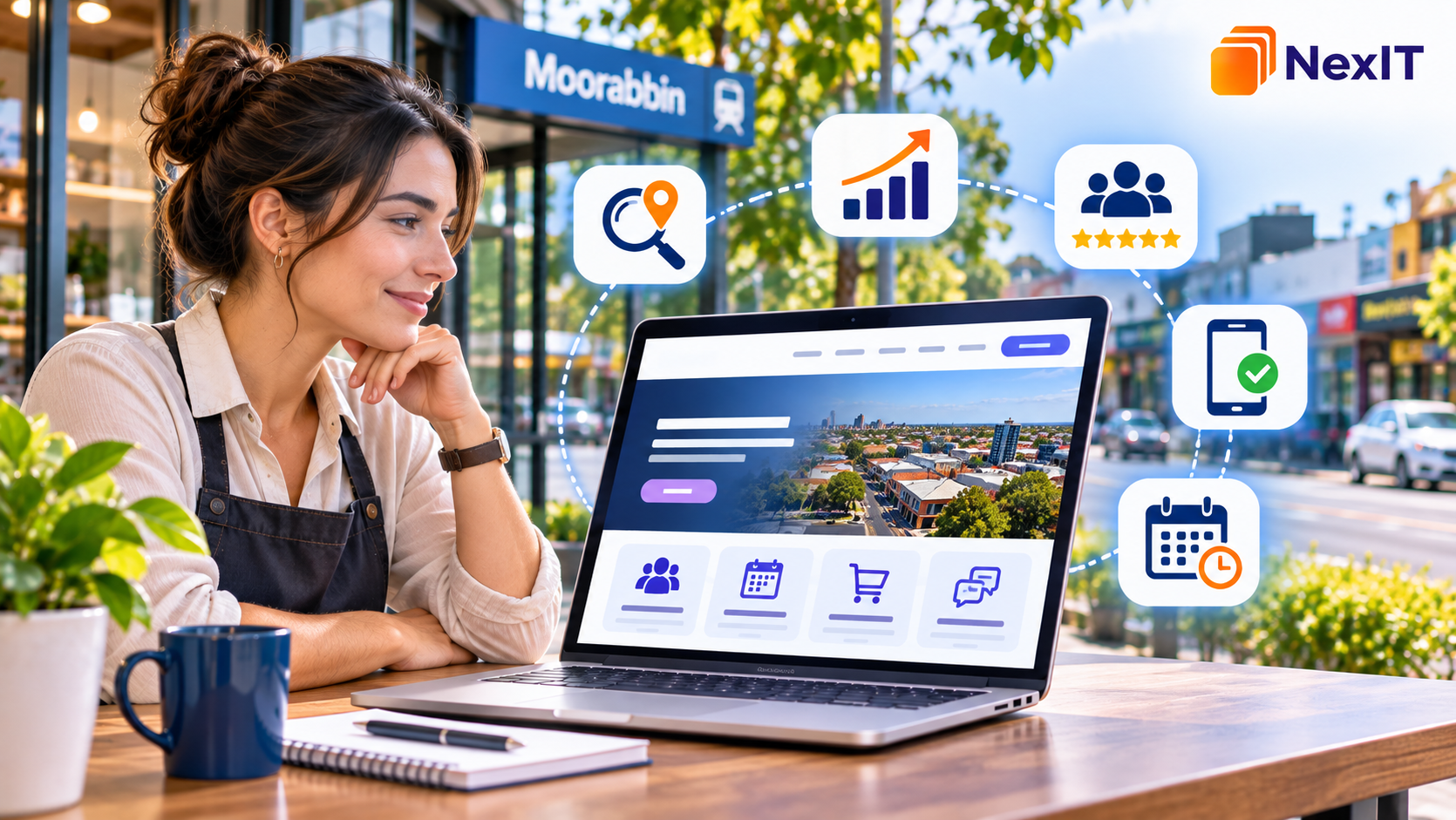
For businesses in Moorabbin, a well-planned website can help build visibility, reach customers across Melbourne’s south-eastern suburbs and make everyday interactions easier. Whether you operate a retail store, professional service, healthcare practice or industrial business, your website can become an important part of your growth strategy.
The key is to create a website that works for your customers and supports the way your business operates.
1. Make It Easier for Customers to Find Your Business
Many customers begin their search online when they need a product, service or local provider. If your business does not appear for relevant searches, potential customers may discover a competitor instead.
A well-structured website gives search engines a clearer understanding of your business. It should explain what you do, where you operate and which customers you serve. Individual service pages, descriptive headings, useful content and relevant internal links can all help visitors and search engines navigate your site.
For example, a Moorabbin-based supplier might need separate pages for its products, delivery options and business services. A local consultant may benefit from clear pages explaining each service, its process and the types of clients they support.
Local search visibility also depends on keeping your business information accurate and consistent across relevant online listings. A website cannot guarantee first-page rankings, but a useful, technically sound site gives your business a stronger foundation for being discovered.
2. Turn More Website Visitors into Enquiries
Getting visitors to your website is only part of the job. You also need to make it easy for them to contact you or make a purchase.
Think about what a first-time visitor wants to know:
- What products or services do you provide?
- Is your business suitable for their needs?
- What makes your business a reliable choice?
- How can they request a quote, book an appointment or ask a question?
Your website should answer these questions without making people search through multiple pages. Use clear service descriptions, visible contact details, straightforward enquiry forms and useful calls to action.
Trust matters too. Genuine customer testimonials, project examples, team information, qualifications and clear business details can help visitors feel more comfortable contacting you.
For Moorabbin businesses competing for attention across nearby suburbs, a website that communicates value quickly can make a meaningful difference to the quality of enquiries.
3. Give Mobile Users a Better Experience
Customers may discover your business while travelling, comparing providers or looking for a service on their phones. If your website is difficult to read or use on a small screen, they may leave before contacting you.
A responsive website adjusts its layout to suit different screen sizes. However, mobile usability involves more than making the page fit. Buttons should be easy to tap, text should be readable, forms should be simple and important information should be easy to find.
Loading performance is equally important. Large images, unnecessary scripts and poorly configured hosting can make pages feel slow. Optimising images, reducing unnecessary elements and maintaining reliable hosting can improve the experience.
Google uses the mobile version of website content for indexing, so mobile usability should be considered from the beginning rather than added as an afterthought.
4. Build Trust Before the First Conversation
Your website often creates the first impression of your business. A confusing layout, outdated information or inconsistent branding can make visitors hesitate, even if your actual service is excellent.
A professional design should reflect your business identity while keeping the customer journey simple. Consistent colours, readable typography, quality images and organised content help create a more credible experience.
It is also important to show what working with your business looks like. Explain your process, outline what customers can expect and answer common questions. If you have completed projects or customer success stories, present them with enough context to demonstrate your experience.
Good design is not simply about appearance. It helps people understand your business and feel confident taking action.
5. Make Everyday Business Tasks More Efficient
A website can also reduce repetitive work. Depending on your business model, useful features might include online booking, quote request forms, product catalogues, customer portals, downloadable resources or payment options.
For example, a service provider could allow customers to submit detailed enquiries online instead of relying on lengthy phone conversations. A retailer could display product information and availability. A business serving trade customers might provide access to order information or account resources.
The right features depend on your actual workflow. Adding complicated functionality without a clear purpose can make a website harder to manage. Start with the tasks that consume the most time or create the most friction for customers.
6. Choose a Website That Can Grow With Your Business
Your website should support where your business is heading, not just where it is today. As you add services, reach new customer groups or introduce online processes, your website should be flexible enough to accommodate those changes.
When comparing Website development Morrabin options, look beyond the initial design. Consider whether the website will be easy to update, whether it can integrate with your existing tools and whether the developer provides ongoing technical support.
The right solution does not always need to be the most complex or expensive. A small business may need a focused website with strong service pages and clear enquiry options. A growing organisation may require more advanced integrations or custom functionality.
Likewise, choosing website design services Morrabin should involve more than comparing attractive layouts. Ask how the provider approaches user experience, mobile performance, search visibility, accessibility and ongoing maintenance.
A reliable development partner should understand your business goals before recommending features or technology.
7. Keep Improving After Launch
A website is not a one-time project. Customer expectations, services and business priorities change, so your online presence should evolve too.
Review your website regularly. Check whether contact forms work, service details are current, pages load correctly and visitors can find important information. Website analytics can help you understand which pages attract attention and where visitors leave.
You can then make practical improvements based on what people actually do. Perhaps a service page needs clearer information, a form asks too many questions or visitors are struggling to find your phone number.
This ongoing approach helps your website remain useful as your business develops.
Talk to a NexIT Expert
New Enquiries: 1300 899 259 | Support Team: [email protected]
REQUEST A FREE CONSULTATION