
When people search for a restaurant, they usually want a few answers quickly: What is on the menu? Where is the venue? Is it open? And can they book a table?
If these details are difficult to find, potential diners may move on to another restaurant. A well-designed website makes it easier for customers to explore your food, understand the dining experience and reserve a table without unnecessary steps.
For restaurants and cafés across Melbourne, effective Restaurant Website Design Melbourne is about combining visual appeal with practical features that encourage visitors to take action. From clear menus to simple booking systems, the right website can help turn online interest into more reservations and customer enquiries.
1. Make Online Bookings Easy
A restaurant website should make booking a table straightforward. Visitors should not need to search through several pages or create an account just to find out how to reserve.
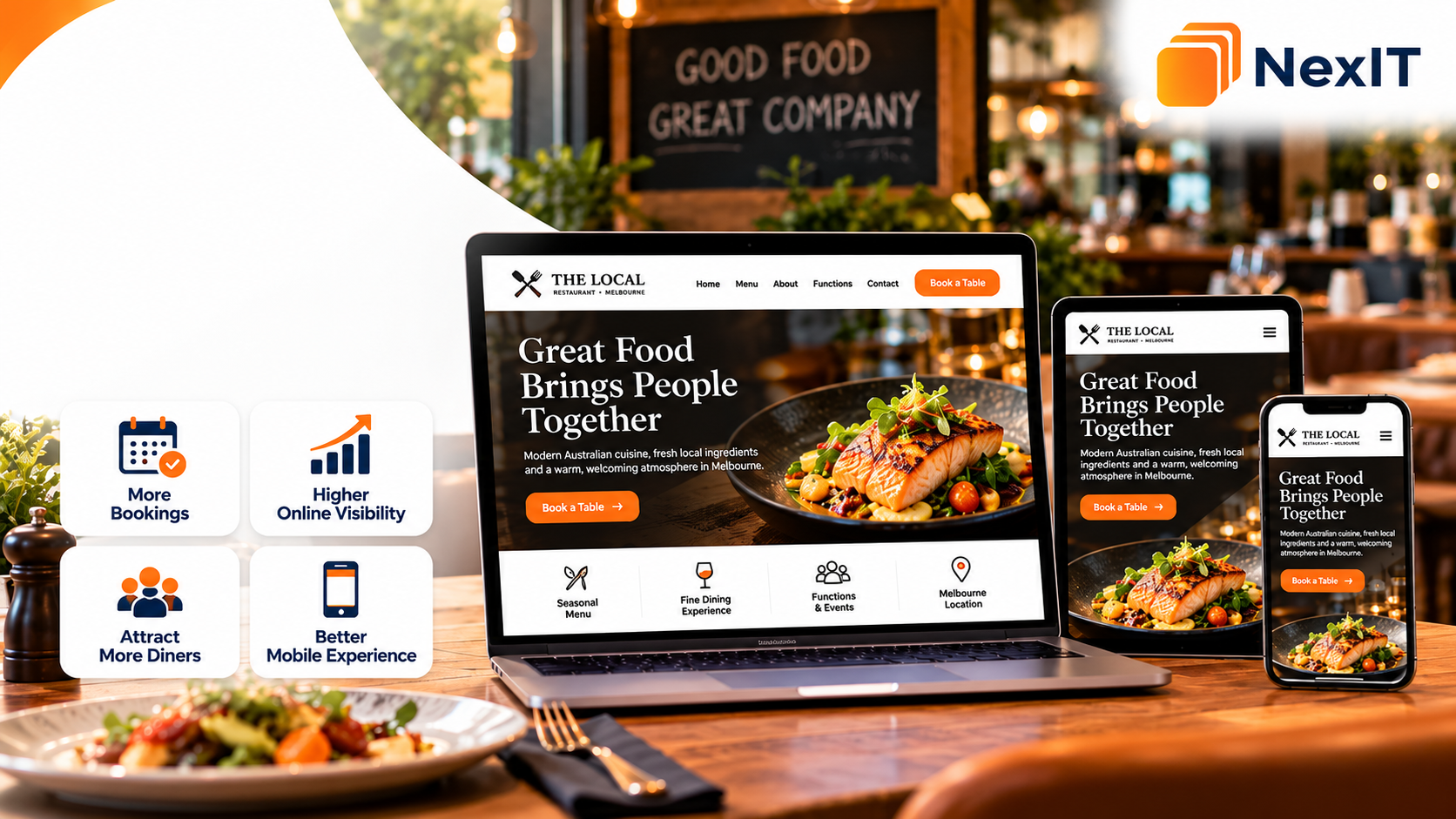
Place a clear “Book a Table” button in the main navigation and make it easy to access on mobile devices. If your restaurant uses an online reservation platform, integrate its booking link or widget wherever appropriate.
Keep the process simple by showing available times clearly and explaining any booking conditions before guests confirm. If online reservations are unavailable, provide a visible phone number so customers can call directly.
For Melbourne restaurants handling busy lunch services, weekend dinners or group bookings, a convenient booking process can reduce friction and help staff manage enquiries more efficiently.
2. Display Your Menu Clearly
The menu is often one of the first things visitors look for. If it is outdated, difficult to read or hidden inside a large PDF, customers may struggle to decide whether your restaurant suits their preferences.
Whenever possible, publish your menu directly on your website as a mobile-friendly webpage. Organise dishes into clear categories, display current prices and keep descriptions concise.
Useful dietary and allergen information can also help customers make informed choices, provided the details are accurate and maintained by your restaurant team.
For restaurants offering seasonal menus or daily specials, an easy-to-update website makes it simpler to keep information current. A downloadable PDF can still be available as an additional option, but it should not be the only way to view the menu.
3. Use Photography to Showcase the Dining Experience
Food is visual, and good photography can help visitors imagine what dining at your restaurant might be like. Clear images of signature dishes, the dining area and the overall atmosphere can communicate your restaurant’s personality before a guest arrives.
Use genuine, high-quality photographs that represent the experience customers can expect. Avoid relying entirely on generic stock images that do not reflect your actual venue.
For Melbourne restaurants, this can be especially useful when differentiating your business in a competitive dining market. A neighbourhood café, family restaurant and fine-dining venue each appeal to different audiences and should present themselves accordingly.
Optimise image sizes so attractive photography does not slow down the website.
4. Design for Mobile Visitors
Customers often search for somewhere to eat while travelling, meeting friends or deciding where to have dinner. Your website should work just as well on a smartphone as it does on a desktop computer.
Responsive design adjusts the layout to different screen sizes, making menus easier to read and buttons easier to tap. Contact details, opening hours, directions and reservation options should remain accessible without excessive scrolling.
Test the complete booking journey on a real mobile device, including opening the menu, selecting a reservation time and completing the booking.
A mobile-friendly website helps remove practical barriers that might otherwise cause a potential diner to leave.
5. Improve Local SEO for Melbourne Searches
A restaurant website needs to be discoverable as well as attractive. Local SEO helps search engines understand your cuisine, location and the customers your venue serves.
Use relevant information throughout your website, including your restaurant’s suburb, cuisine type, address, opening hours and contact details. Keep these details consistent with your Google Business Profile.
For example, a restaurant in Carlton could create useful content about its Italian menu, private dining options or location near local attractions, provided the information accurately reflects the business.
A well-structured menu, descriptive page titles, useful content and accurate business information can support local search visibility. No single design feature guarantees rankings, but a clear, technically sound website gives search engines and potential customers a better understanding of your restaurant.
6. Keep the Website Fast and Up to Date
Slow pages and outdated information can undermine an otherwise attractive website. Compress images, remove unnecessary scripts and use reliable hosting to help pages load efficiently.
Review your menu, prices, opening hours, holiday trading information and booking links regularly. If you host events or offer special dining experiences, remove expired promotions and update upcoming details promptly.
You can also track useful measures such as completed bookings, calls from the website and clicks on directions. Reviewing these actions helps identify which pages are working and where customers may be encountering difficulties.
Talk to a NexIT Expert
New Enquiries: 1300 899 259 | Support Team: [email protected]
REQUEST A FREE CONSULTATION