
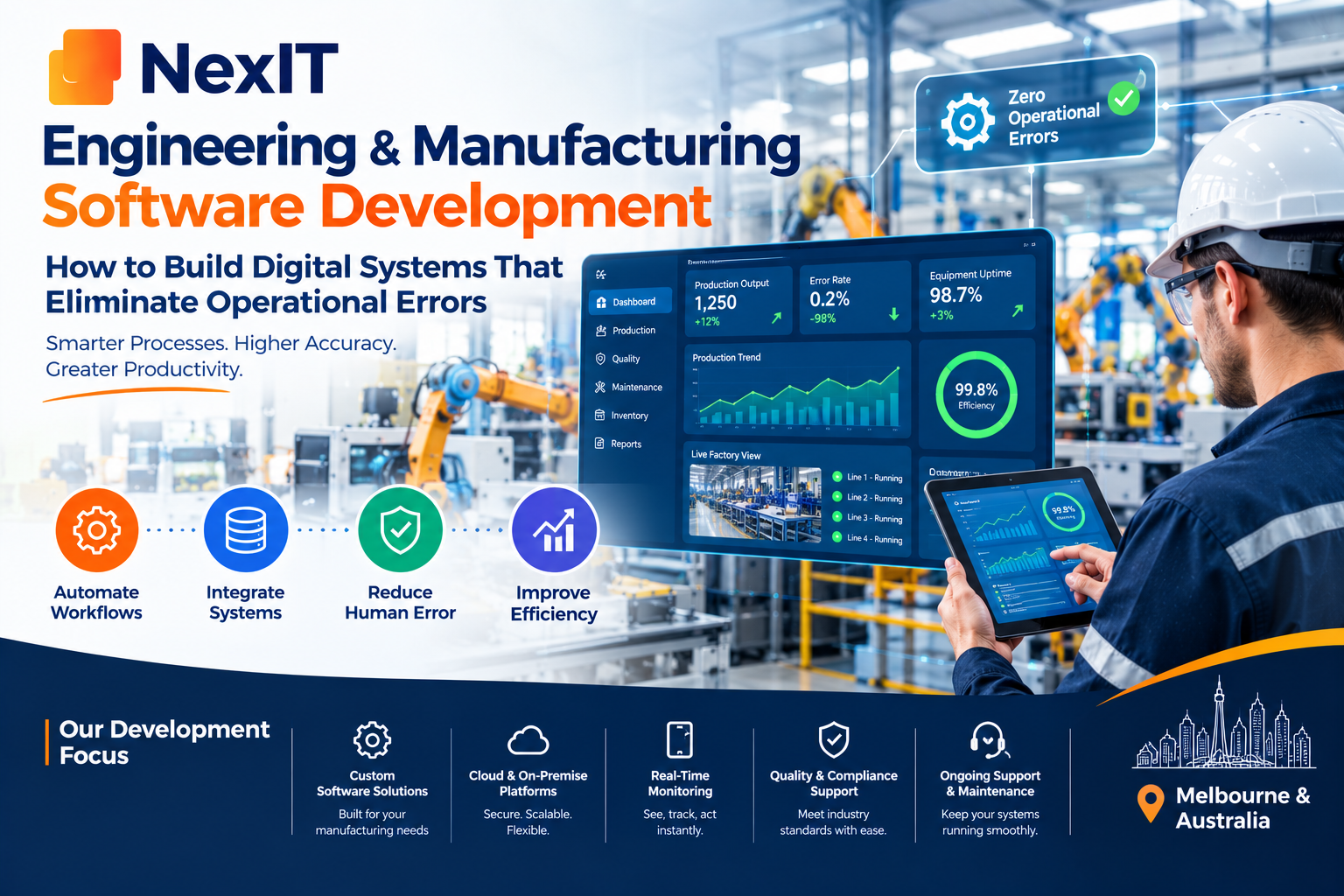
engineering & manufacturing software development projects can streamline a plant’s technical workflow and still fail to deliver real commercial efficiency if the user experience is broken.
We’ve seen it plenty of times. An industrial enterprise commissions custom software, the operational features are fully built out, the inventory tracking modules technically function — but the shop floor team struggles to use it. Factory operators get confused, data entry delays stack up, and administration costs increase.
That’s usually not a coding capability problem. It’s a clarity and conversion problem within the workflow.
A practical digital strategy shouldn’t simply look to create a newer-looking system interface for the sake of it. The real goal is to make it easier for engineering teams to track production, trust the system data, and take the next operational step without manual workarounds.
We Start With the Operator Journey
Before mapping complex software architecture or changing database schemas, you must look at the digital tool entirely from the floor operator’s perspective.
If a production manager opens the system dashboard for the first time, they should be able to answer three logistical questions quickly:
What specific asset or job batch requires attention right now?
Is this live resource utilization relevant to my daily target metrics?
How do I generate an automated compliance report or dispatch order instantly?
Standard, overly complex legacy systems make those answers much harder to find than they ever needed to be.
Important production data gets spread across completely different spreadsheet blocks, inventory status updates aren’t specific to real-time demands, and the next physical step in the pipeline isn’t obvious.
Rather than building complex modules just because you can, rebuild your entire digital experience around those exact tracking questions.
The First Change: Make the System Message Clear
One of the easiest mistakes to make with industrial business software is trying to sound impressive and complex instead of being immediately useful.
Vague interface commands like:
“Initiating optimized end-to-end synergy protocols for your manufacturing future.”
sound fine to an external IT consultant, but they do not tell an actual plant worker whether a multi-million dollar machine line is running safely or stalling out.
Change the layout approach.
The opening dashboard section needs to tell operational teams exactly what the system is tracking, who needs to review it, and what they must do next.
That means clearer service status alerts, a stronger data heading hierarchy, and highly visible, one-click calls to action.
No guessing on the factory floor.
No scrolling through half the system screen just to work out if an automated material request went through or failed.
Is Your Legacy System Driving Up Production Cost and Wasting Employee Time?
This is one of the very first things we audit when analyzing industrial software.
You may not need to pay for a massive, multi-million dollar third-party enterprise platform migration. Sometimes a few targeted custom software changes to the user navigation, menu layouts, reporting forms, mobile tablet interfaces, or automated data actions can make an immediate, noticeable difference in your monthly output.
A proper operational review can identify exactly where your team members are dropping out of the tracking journey.
Want to know what is holding your manufacturing efficiency and software performance back?
👉 Book a Website Consultation
📞 Call 1300 899 259
Make the Software Architecture Easier to Navigate
A busy operations director shouldn’t need to complete an engineering degree just to figure out how to update an inventory log or change a bill of materials.
Simplify the system navigation and organize production information around the exact way humans actually think when managing a high-stress workspace.
Instead of asking backend developers:
“Where can we fit this technical field block?”
ask your operations team:
“When would a worker physically require this specific data update?”
That small shift in layout design affects everything from your primary navigation sidebar to your individual asset tracking modules.
The System Pages Need to Do More
A custom software landing page or dashboard section shouldn’t just state passive database logs.
It should actively help your crew members decide whether an operational batch is running correctly or requires human intervention.
Structure your production layout around questions teams naturally have during a shift:
What metrics does this live data dashboard include?
Which line operator or warehouse queue is it suitable for?
What clear manufacturing bottleneck or entry error does it solve?
How does the automated inventory tracking process work?
What happens immediately after an engineer logs a hardware fault?
Why should our facility choose this customized system over generic software?
Answering these real human workflow problems also creates a much stronger foundation for your company’s overall technical SEO because you are building helpful content that matches real search intent rather than simply filling a page with keywords.
We Build Systems With Performance in Mind — Not Just for Search Engine Crawlers
An enterprise platform needs to be highly discoverable online if you sell it as a product, but ranking first on Google isn’t much use if the industrial buyer who clicks through encounters a buggy system demo that fails to address their real business needs.
Effective technical development combines robust custom programming with a frontend layout that supports clean organic visibility and an exceptional user experience.
We consider multiple structural factors:
Page structure and data hierarchy
Mobile responsiveness for tablet floor use
Site loading speed and database performance
Clean code structure and data indexability
Genuine client reviews and trust validations
Clear call-to-action paths
The critical part is that these technical elements work together seamlessly.
We do not put a keyword into a heading ten times just because it’s a keyword.
The digital system page needs to make complete, logical sense to the human reading it first.
Ready to Build Custom Software That Works Harder?
If your current software system gets operational friction but doesn’t generate the production efficiency or lead tracking you expect, there is always a structural user-experience reason behind it.
NexIT Solutions helps industrial enterprises across Melbourne and Moorabbin plan, design, and develop customized tools around real workplace behavior and concrete commercial goals.
Whether you need a complete legacy platform rebuild or just want to understand what’s stopping your current software from performing better, let’s have a conversation.
Book a Website Consultation →
Or call 1300 899 259 and tell us what you’d like your software or website to do better.
engineering & manufacturing software development